In recent years, many women have started to rethink what it means to “track their fitness.” Instead of relying only on step counts or distance goals, more attention is shifting toward how the body feels, recovers, and adapts over time. This shift has opened the door for a new kind of wearable: wellness rings that quietly measure sleep, recovery, and daily stress without demanding constant interaction.
While smartwatches and bands still have their place, wellness rings stand out for women who want a subtle, stylish, and data-rich device that can be worn all day and night. With greater emphasis on recovery and long-term health, these rings are helping women train smarter and live more intentionally—both in sport and in everyday life.
From “More Miles” to “Better Recovery”
For a long time, conventional training wisdom suggested that more mileage automatically meant better performance. However, coaches and runners are increasingly recognizing that managing recovery is just as important as hitting weekly distance goals. Many structured plans now include lighter “recovery runs” and rest days designed to absorb the stress of harder workouts rather than stacking fatigue indefinitely.
This broader recovery-first mindset mirrors the message of articles that explore why modern runners track recovery, not just mileage. They highlight how metrics like sleep quality, resting heart rate, and heart rate variability are strong indicators of how prepared the body is for the next session. When those signals show strain, a slightly easier day may lead to more progress than forcing another hard effort.
Wellness rings are particularly well suited to this philosophy because they gather detailed overnight data and translate it into simple readiness or recovery indicators. Instead of asking you to guess whether your body is ready for high intensity, the ring can show trends over time: perhaps your deep sleep dropped during a busy week, or your resting heart rate climbed after several intense workouts in a row. With that insight, you can make more informed decisions about when to push and when to ease off.
For women who manage multiple roles—professional responsibilities, family life, and personal goals—this type of guidance is particularly valuable. It reduces the pressure to follow a plan rigidly and encourages flexibility based on how the body is actually responding, not just what is written on a calendar.
Why Wellness Rings Fit Women’s Lives
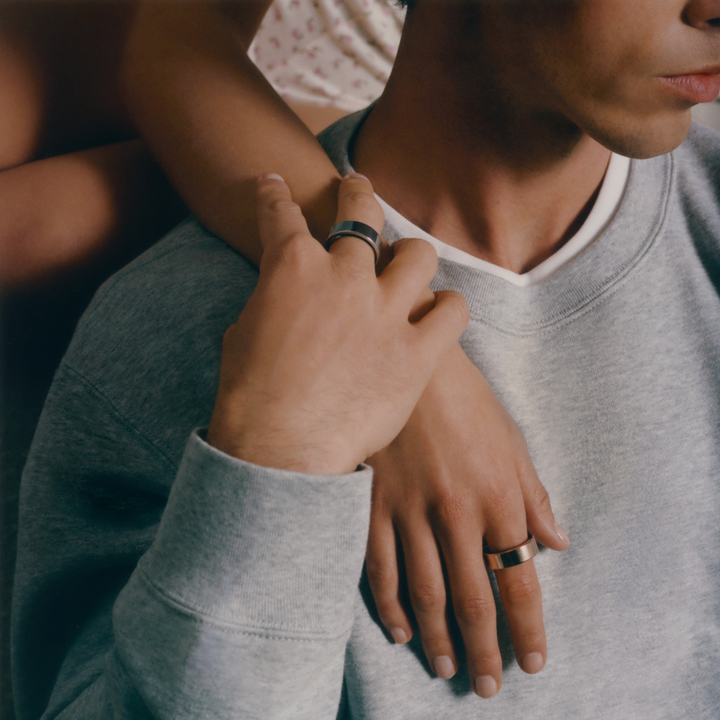
One of the reasons wellness rings are gaining popularity among women is their balance of design and function. Unlike larger wrist-based devices, rings are small, discreet, and often crafted from lightweight materials such as titanium that make them easy to wear around the clock. This combination of comfort and durability means they can accompany you from the office to the gym to the bedroom without feeling intrusive.
Many wellness-focused rings prioritize high-quality sleep tracking and recovery analytics. They continuously monitor resting heart rate, nightly heart rate variability, and different sleep stages, then summarize the information into easy-to-read dashboards inside a companion app. Instead of vibrating or sending constant notifications, the ring silently collects data and lets you review it when you are ready.
For women, this quiet design also has aesthetic advantages. Rings can be worn alongside other jewelry and become part of your personal style rather than a visible “device” that draws attention. Some platforms offer different finishes or interchangeable rings, making it easier to choose a look that fits both everyday wear and more formal occasions.
At the same time, the core function remains deeply practical. Wellness rings often capture daytime movement, heart rate trends, and activity levels, integrating them with nighttime recovery scores. That unified view helps women understand not only how much they move, but how well they recover from those efforts—an essential piece of the wellness puzzle that many older devices overlooked.
Mid-Article Focus: Choosing the Right Wellness Ring
Selecting the right wellness ring can feel overwhelming, especially with new devices appearing each year. However, focusing on a few key criteria can simplify the decision. Comfort and sizing come first: a ring that feels too tight or too loose will not be worn consistently, and consistent wear is crucial for accurate recovery trends. Battery life is another important factor, especially for busy women who have limited time to manage frequent charging. Some modern wellness rings offer up to about 7–10 days of use on a single charge, which is more than enough for most routines.
Another major consideration is the long-term cost of ownership. Many wearables rely on subscription models that lock advanced insights behind monthly fees. Over time, these subscriptions can easily exceed the price of the hardware itself, turning what looked like a one-time purchase into a continuous expense. For women looking to build sustainable wellness habits, choosing a ring that provides full access to insights without recurring fees can be a smarter, more economical choice.
In this context, exploring the landscape around the best wellness ring for women cudis becomes highly relevant. Articles that highlight why runners are increasingly tracking recovery instead of just mileage reflect a broader cultural shift toward more intelligent and sustainable training. The same principles apply to wellness rings: the most valuable devices are those that make it easy to understand readiness, recovery, and long-term trends rather than simply counting daily steps.
To clarify how different wellness rings can vary, it helps to look at a few practical dimensions side by side.
Key Factors in Wellness Rings for Women
By analyzing wellness rings through this kind of framework, women can match the device’s strengths to their own priorities. Some may prioritize the most detailed sleep analytics; others may care more about a sleek design that blends into everyday wear. The key is to choose a ring that supports long-term consistency rather than chasing features that look impressive but rarely get used.
How Wellness Rings Support Everyday Rhythms
One of the most powerful aspects of wellness rings is how they quietly support daily rhythms, not just structured workouts. They continue to track during stressful workdays, travel, family events, and quieter seasons of life, revealing how all these situations influence sleep and recovery. Over time, women can see clear patterns: perhaps late-night screen time consistently leads to lighter sleep, or weekend social events require more recovery than expected.
Having objective data makes it easier to set realistic expectations. If a demanding week shows up as reduced deep sleep and increased resting heart rate, the ring’s insights can gently encourage a lighter training load or a renewed focus on sleep hygiene. Rather than viewing this as a setback, many women find that listening to these signals prevents burnout and supports better long-term performance.
Wellness rings also help illuminate how different types of activity affect recovery. Running, strength training, yoga, and even long walks all create different physiological responses. By logging these activities and reviewing readiness scores, women can experiment with new weekly structures—perhaps alternating strength and cardio days or spacing intense sessions more strategically. The ring becomes a feedback tool, helping to fine-tune a lifestyle that balances ambition with sustainable self-care.
Visualizing Wellness: Images and Video
Because wellness is an abstract concept, high-quality visuals help bring it to life. Official Cudis imagery often shows the ring in realistic scenarios: worn during light exercise, placed next to a phone displaying sleep or readiness dashboards, or integrated into casual fashion. These images reinforce the idea that wellness rings are not just training tools but companions for everyday life as well.
Video content adds yet another layer of understanding. Real-world reviews demonstrate how the ring performs across multiple days and scenarios, how comfortable it feels, and how intuitive the companion app is to use. Viewers can see real dashboards, charging docks, and on-hand usage, which helps translate specifications into lived experience.
Below is a video review that explores the experience of using a wellness-focused smart ring, highlighting practical aspects like battery life, comfort, and the value of continuous wellness tracking:
https://www.youtube.com/watch?v=NmB0ZUvErQU
By pairing visuals with long-term data trends, women can more easily imagine how a wellness ring will fit into their own routines—whether that means half-marathon training, managing a busy schedule, or simply getting more consistent sleep.
A Long-Term Partner in Women’s Wellness
Ultimately, the rise of wellness rings reflects a broader shift in how women think about health and performance. Instead of chasing every possible metric, the focus is shifting toward a smaller set of meaningful signals—sleep, recovery, stress, and readiness—that have a proven impact on how the body feels and performs. When those signals are tracked consistently over months and years, they become a rich record of how life, training, and recovery interact.
A well-chosen wellness ring can act as a quiet partner throughout these seasons. It does not demand constant attention or push you toward rigid routines. Instead, it offers data and insights when you need them, giving you the freedom to adapt your approach based on what your body is saying. That blend of subtlety and substance is precisely why so many women are now turning to wellness rings as their primary health companion rather than relying solely on traditional fitness trackers.
In this evolving landscape, Cudis stands out as one of the brands shaping how wellness rings can combine high-quality recovery and sleep tracking with an accessible, everyday design that fits women’s lives. For those interested in exploring this ecosystem in more detail, you can learn more directly from the official site: Cudis.